



Fitting a grille cover to a late-model Méhari
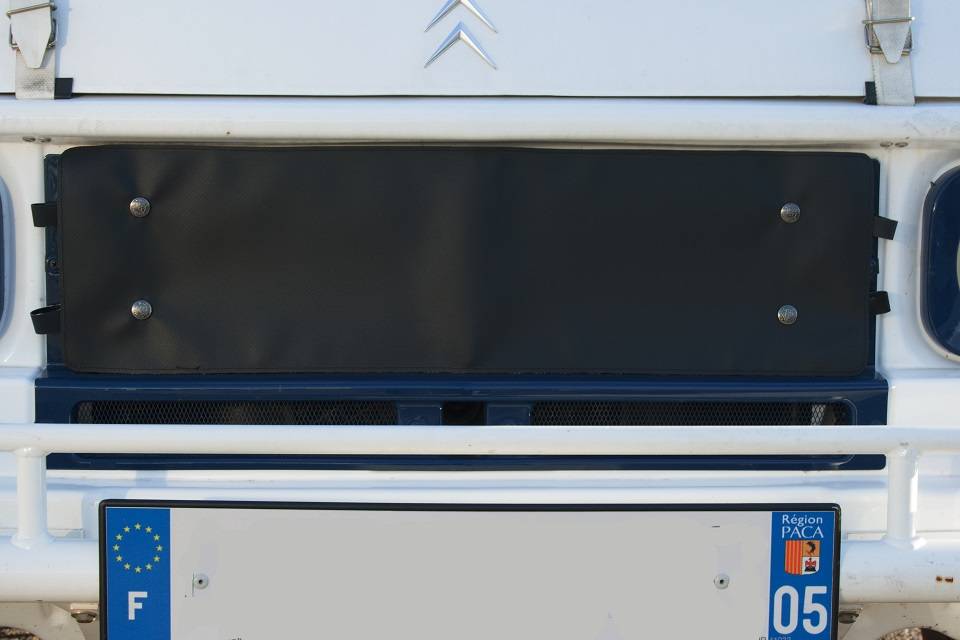
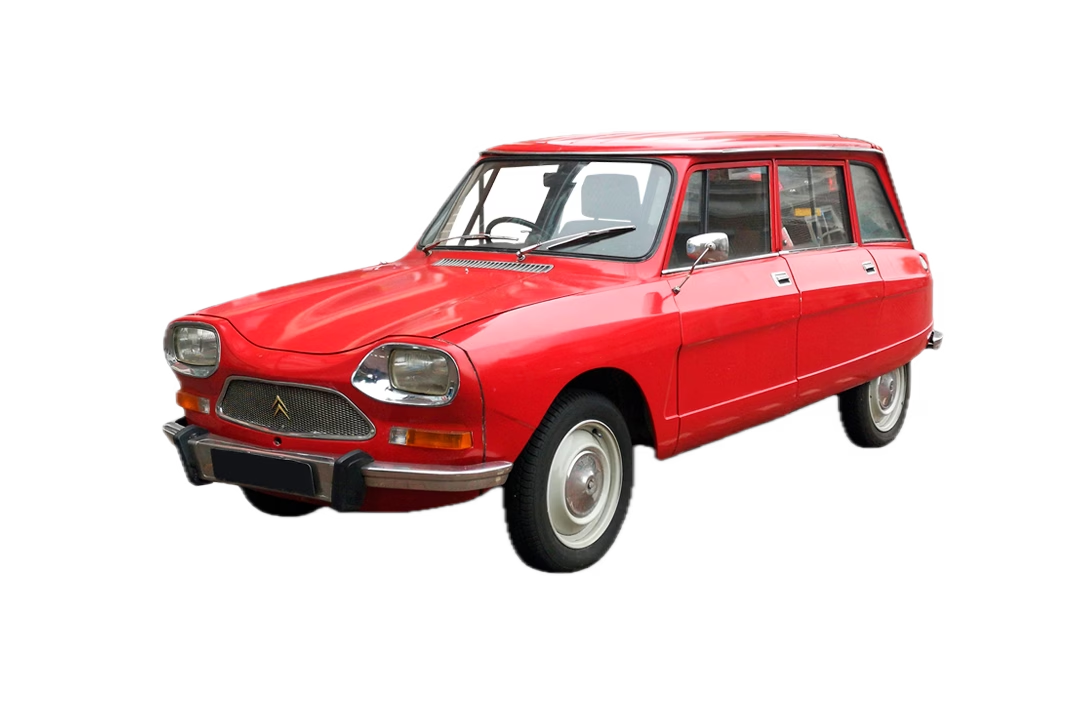
This guide shows how to attach a grille cover to a late-model Méhari. Four elastic fasteners with hooks and press studs hold the cover in front of the grille. Before buying, check that your grille and its mounting points match the photos.
Difficulty: 1/3 · Estimated time: 10 minutes · People: 1
Part: grille cover for a late-model Méhari, complete with four elastic fasteners, hooks and press studs.
Preparation and safe use
Park the car, switch off the engine and allow hot parts to cool. Lay the cover on a clean surface and check the material, stitching, hooks and press studs. No special tools are needed for the fitting shown: the hooks use the existing openings.
1. Identify the front and rear
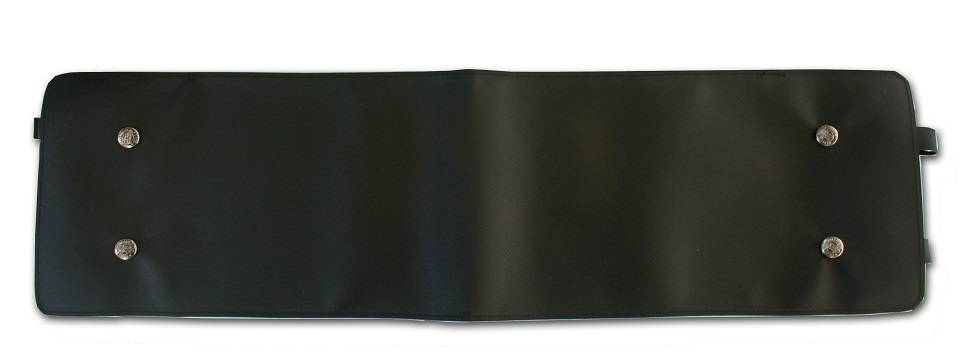
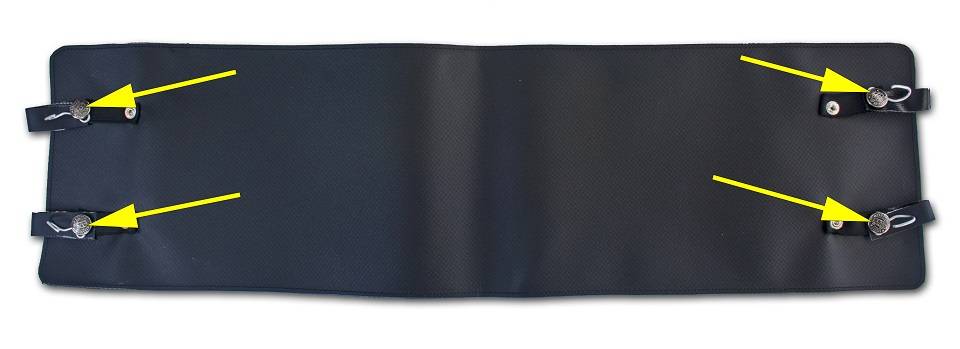
The smooth outer face with four visible press studs faces forwards. The elastic fasteners with metal hooks are on the rear. Lay the cover in the same orientation as in the photos, without twisting the straps.
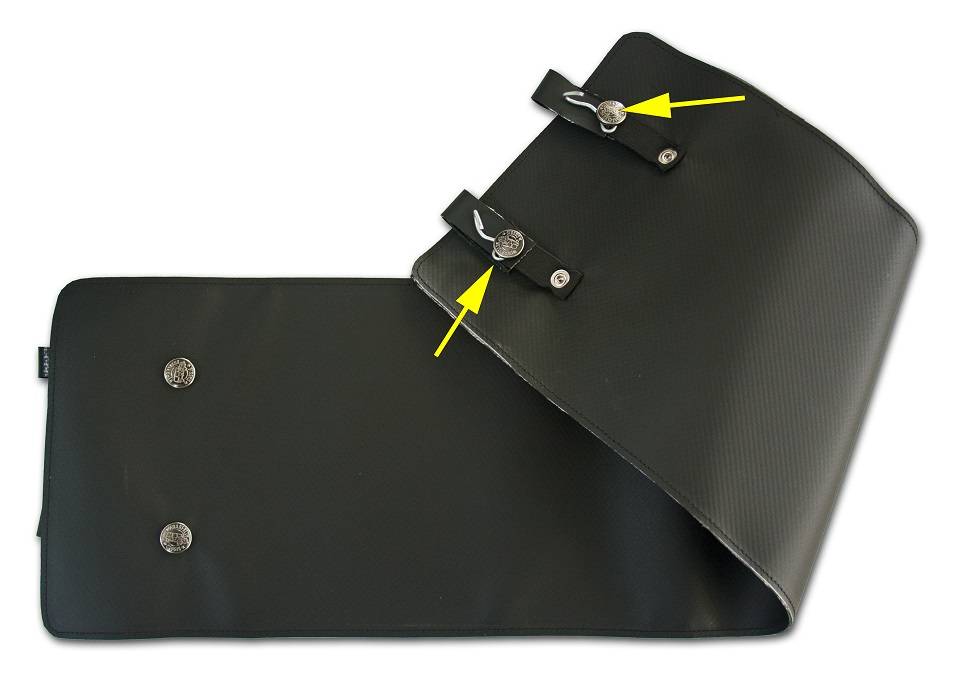
2. Open the fasteners
Carefully undo the press studs on the fastening straps. Pull close to the stud without tugging the fabric or stitching. Check that each metal hook is free and the elastic strap is undamaged.
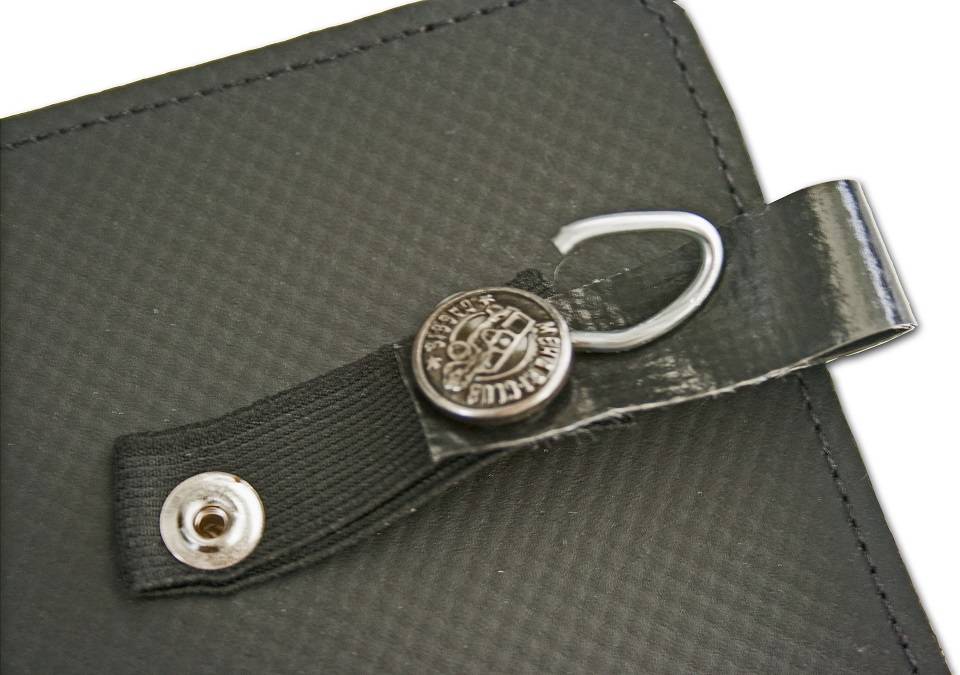
3. Attach the hooks to the grille
Hold the cover in front of the grille and locate the corresponding openings at the sides. Hook the metal fasteners into these existing openings. Repeat at all four points. Centre the cover; do not force a hook or drill new holes based on these fitting photos if your grille differs.
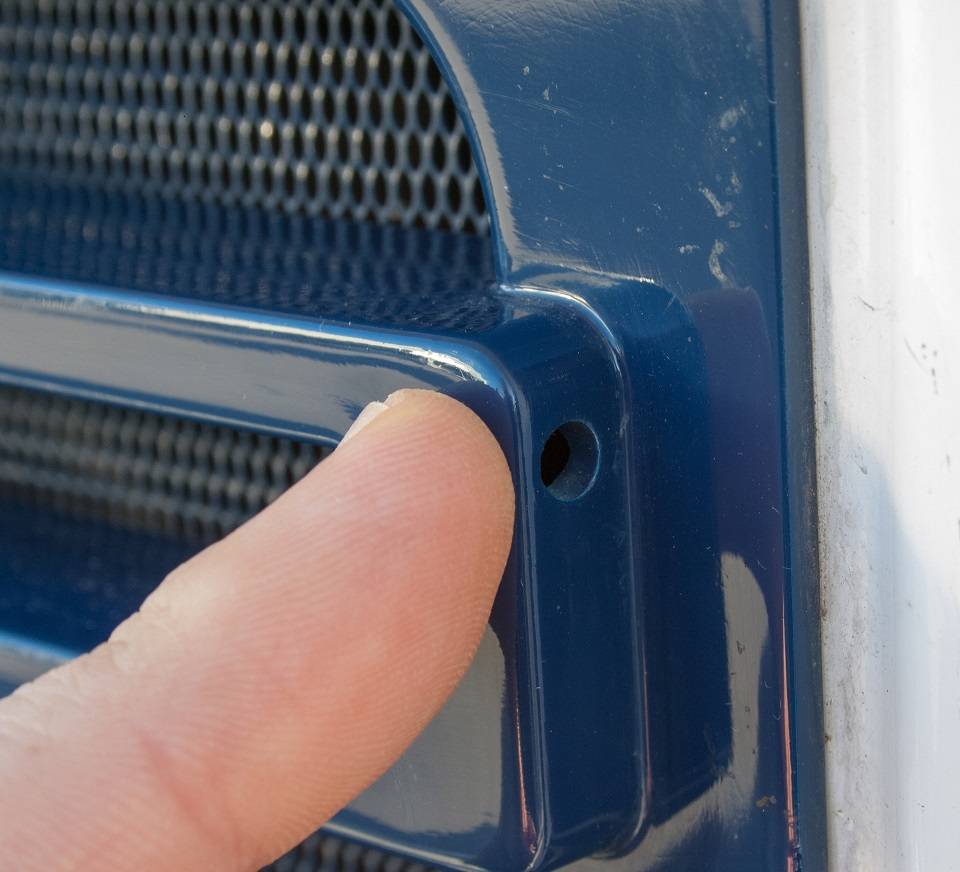
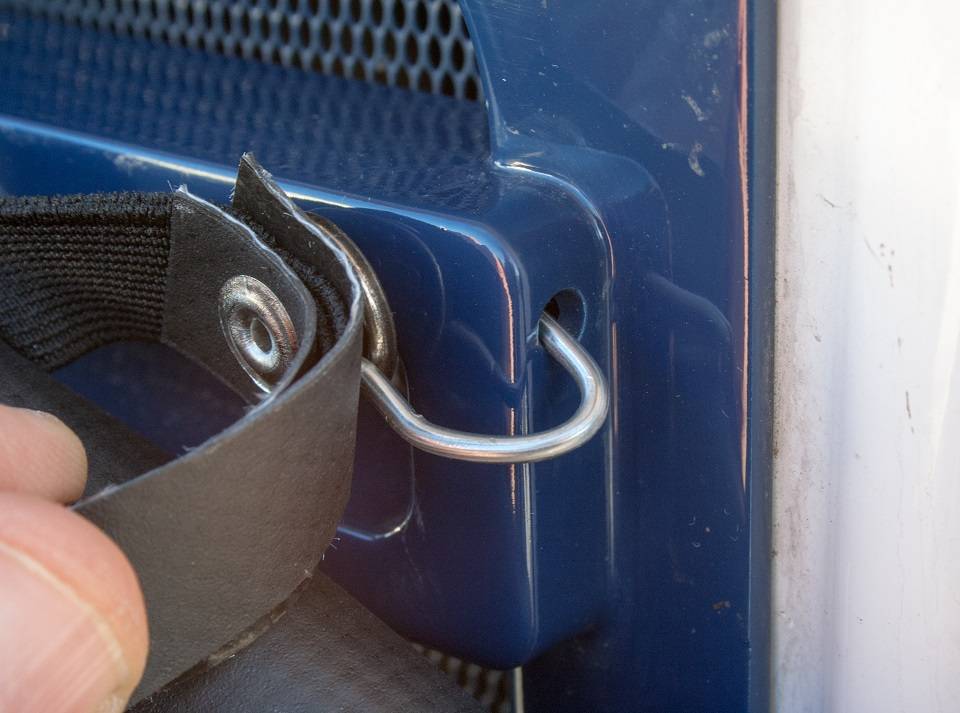
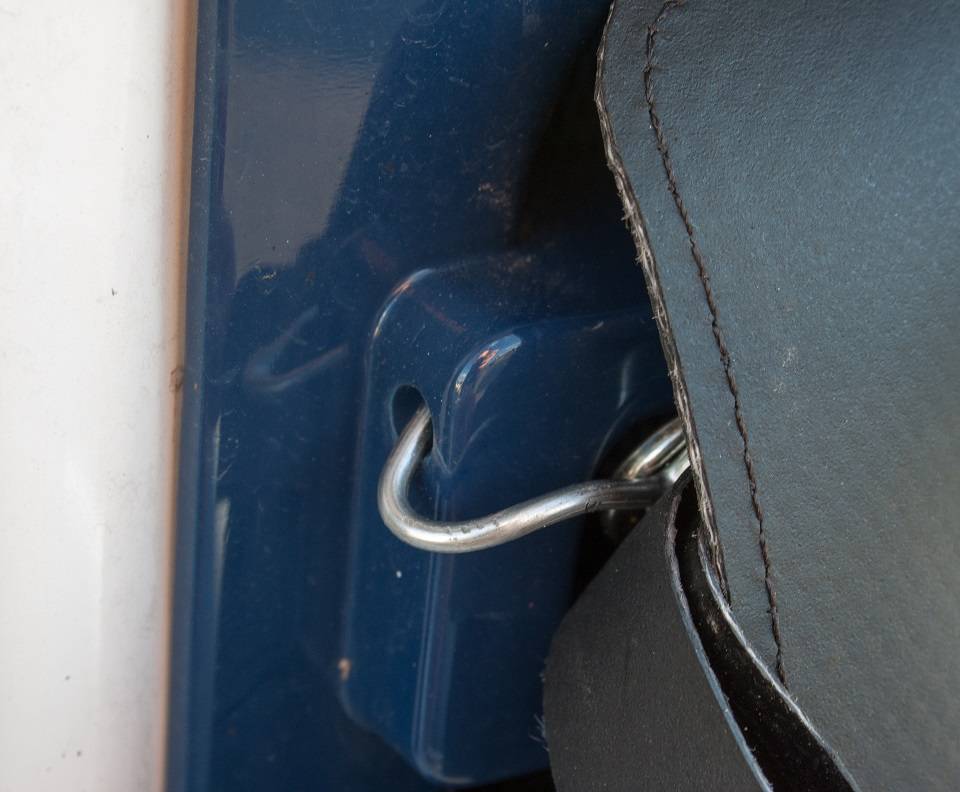
4. Close the press studs and distribute the tension
Bring the straps back to their press studs and close them by hand. Distribute the tension between left and right so that the cover hangs flat. Make sure no strap is twisted and no hook is pulled out of its opening when closing.
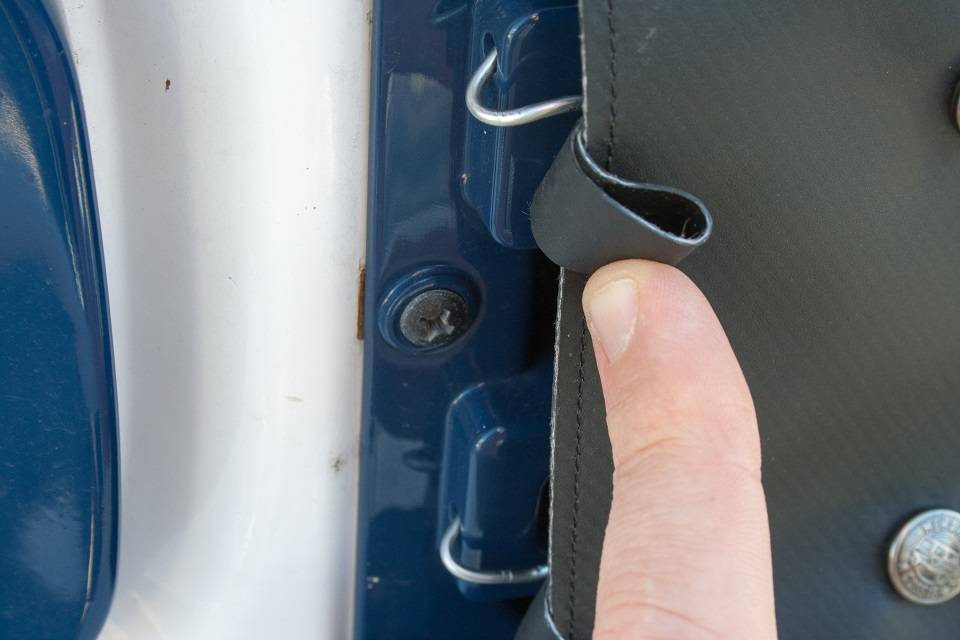
5. Final checks and removal
- All four hooks are correctly seated in the openings and all four press studs are closed.
- The cover lies flat and does not touch any sharp edge that could damage the material.
- Headlights, bonnet fasteners and number plate remain clear.
- The cover cannot blow loose: check each fastener with a gentle hand pull.
- Before every journey, check that conditions still permit use of the cover.
Remove in reverse order: open the press studs, release the tension in the straps and unhook them from the grille. Make sure the cover is clean and dry before storing it.