
Which chassis for your Citroën A-type?

A chassis is not just a chassis. Different solutions are available for a 2CV, Méhari or another Citroën A-type. The best choice depends on the quality of the construction, the desired originality, how the car will be used and the requirements of your restoration.

This page explains the main differences without looking only at the purchase price. It helps you make an informed choice and avoid surprises during assembly or later documentation.

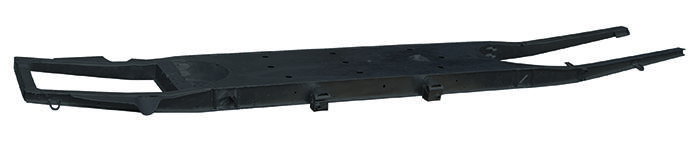
Adaptable chassis for Citroën 2CV, Dyane and Méhari – part number 1007106
Example: adaptable chassis for 2CV, Dyane and Méhari – part number 1007106.

Four common choices

1. Low-cost reproduction chassis

Quality can vary considerably among budget chassis. Pay attention to sheet thickness, weight, welding, dimensions and the presence and execution of reinforcements. A low price may seem attractive, but extra fitting or modifications during installation can reduce the advantage. Citroparts does not offer this low-cost reproduction variant.

2. Quality adaptable chassis

A sound adaptable chassis is intended as a well-fitting replacement. With a quality product, the dimensions, construction and mounting points are carefully executed. This is often a balanced choice for a reliable driver restoration where complete factory originality is not the primary goal.

View the adaptable chassis – part number 1007106

3. Original chassis

An original chassis is closest to the original construction and specifications. This may be important for the most authentic possible restoration, collector value, or when the vehicle’s history and conformity are central. Always check which documents and identification accompany the chassis and what applies to your specific vehicle.

View the original chassis – part number 10071000

4. Galvanised chassis

A galvanised chassis offers strong corrosion protection and may be attractive for cars that are driven regularly or used in varying conditions. Bear in mind that galvanising affects visible originality and the finish. Dimensions, ventilation openings and post-treatment also deserve attention.

What should you check technically?

  • Construction and welding: compare the structure, welds, enclosed sections and overall finish.
  • Sheet thickness and weight: a lighter chassis is not automatically worse and a heavier one is not automatically better, but clear differences can indicate material use and construction.
  • Seat-belt reinforcements: check whether the correct mounting points and reinforcements are present for your model and belt configuration.
  • Fit: dimensionally accurate mounting points reduce stress, drilling and corrections during assembly.
  • Corrosion protection: ask which treatment has been applied and what additional protection is still required after installation.
  • Purpose of the restoration: daily use, leisure driving, concours originality and a historic restoration do not always have the same priorities.

Comparison at a glance

Type Strength Point to consider Often suitable for
Budget/reproduction Low purchase price Carefully check quality, dimensions and reinforcements Limited-budget projects with room for extra checks and fitting
Quality adaptable Good balance of price, fit and solidity Not identical to an original chassis Reliable driver restorations
Original Authenticity and original specification Price, availability and correct documentation Historic or highly original restorations
Galvanised Excellent corrosion protection Finish, dimensions and less original appearance Intensive use and long-term protection

Chassis number, stamping and certificates

The chassis number is an essential part of the vehicle identification. Have the number applied professionally, carefully and in the correct position. At Citroparts/CQS Classics, stamping is controlled and legible, with attention to its form and positioning.

Keep invoices, certificates, photographs of the work and available vehicle documents together in the restoration file. Required documents or procedures may differ according to the vehicle, country, registration and competent authority. Have your specific situation checked beforehand; this page does not replace an individual technical or legal assessment.

Would you like to know more about number stamping, markings, certificates and how a file is handled?
Read our technical explanation of chassis-number stamping and certification.

See how we stamp a chassis number professionally
This short video shows the professional stamping of a chassis number.

Prefer to watch the video on Facebook?

Historic and conforming restoration

If you want to keep the car as close as possible to its original execution, look beyond the visible result alone. The origin of the chassis, its construction, identification, supporting documents and consistency with the rest of the vehicle deserve attention. Discuss any doubts before purchase and before dismantling the old chassis.

Which choice suits your project?

There is no universally best chassis. Corrosion protection may weigh heavily for a frequently used Méhari; originality may matter more for an authentic 2CV restoration; for a reliable driver, a quality adaptable chassis is often a logical solution.

Go directly to the chassis in our range

Unsure about fit, execution, documents or number stamping? Contact us for technical advice. Please mention the model, year, current chassis and purpose of your restoration.